
A heat pump water heater works like a refrigerator running in reverse. A small compressor and refrigerant loop sit on top of an insulated tank, drawing heat from the room air around the unit and pushing it into the water. Because the unit moves heat rather than generating it with a resistance element, it typically uses a fraction of the electricity a standard electric tank would burn for the same shower. That is why these units carry Uniform Energy Factor ratings around 3 or higher, compared with roughly 0.9 for a conventional electric model, and why so many Grapevine, TX homeowners with electric water heat are seriously considering the switch.
Placement matters more for a heat pump water heater than for any other type. The unit draws heat from the air around it, so manufacturers generally want around 700 cubic feet of open space, or ducting to borrow air from a larger area when the mechanical room is tight. The exhaust air comes out cooler and drier, a bonus in a humid basement or hot garage and a drawback in a small, already chilly space. Heat pump operation also has a temperature window: in a space that drops near freezing, the unit switches to its electric elements and the efficiency advantage shrinks for those hours. Add a condensate line that must drain by gravity or pump, a fan and compressor that make a steady, low hum, and a dedicated 240-volt circuit on most models, and you can see why the planning deserves as much attention as the equipment.
Once the unit is in place, mode selection and sizing decide the monthly bill. Heat pump only mode squeezes out the most efficiency; hybrid mode lets the elements help during heavy draws; high-demand mode leans on the elements for guests or big laundry days. Since the compressor heats more slowly than resistance elements, we often size a hybrid slightly larger than the tank it replaces so the backup elements rarely switch on. Installation includes the drain pan, a verified condensate route, a correctly sized circuit and breaker, code-required items like an expansion tank where applicable, and a walkthrough of the controls. Incentive programs, from utility rebates to federal tax credits, cover many qualifying models; we will point you to the ones to look into, without promising what any program will approve. Call (817) 650-1333 to plan a hybrid water heater for your Grapevine home.
Our most requested service is Water Heater Installation in Grapevine. Start there if you're not sure what you need.
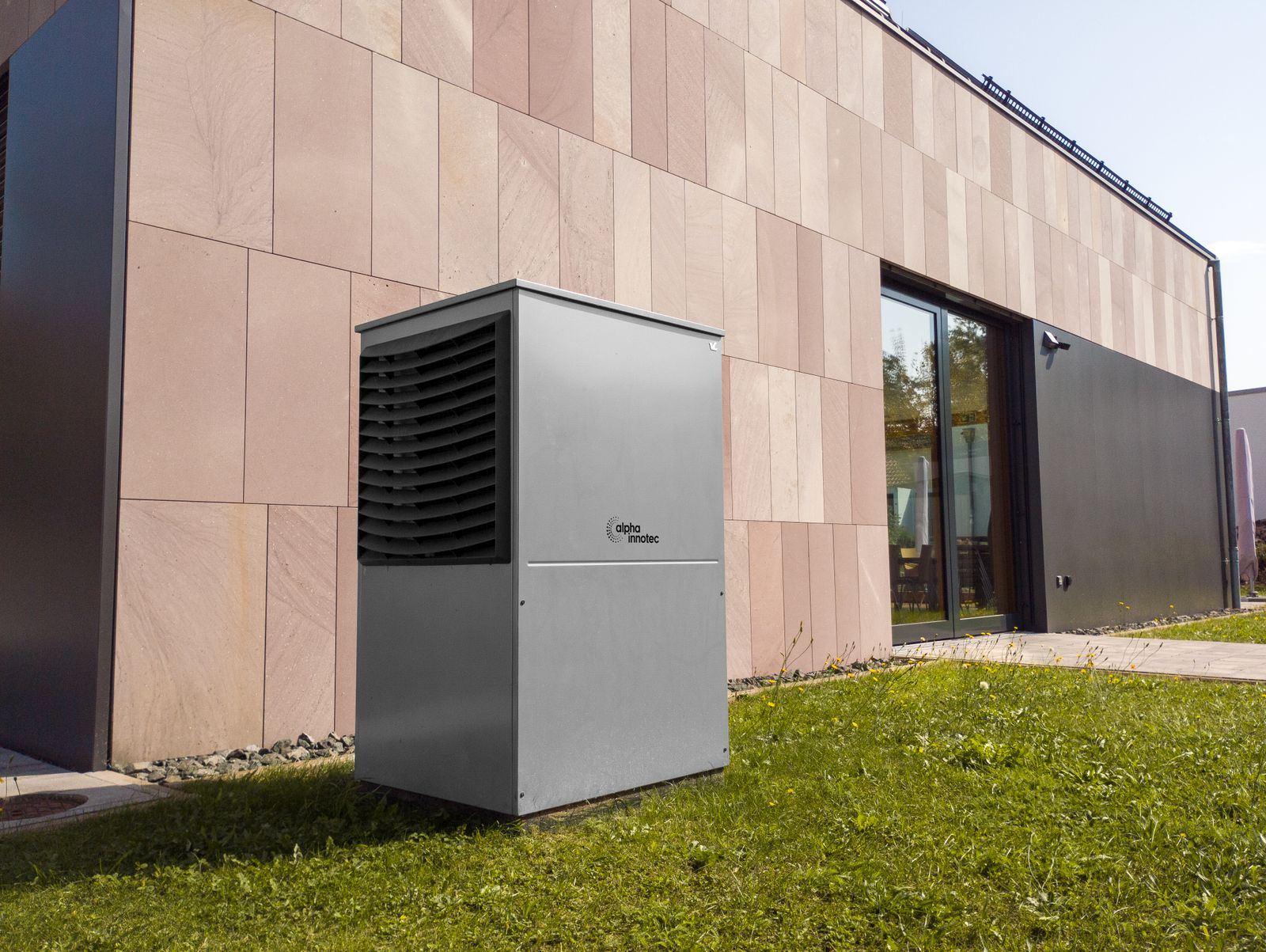
Signs You Need Heat Pump Water Heaters in Grapevine
A heater that is starting to struggle rarely hides it for long, and the clues are easy to spot once you know them. Here are the most common indicators that it's time to call a professional:
- A hot garage in summer that pulls heat the unit can put to use
- Interest in utility rebates or federal tax credits for efficient equipment
- Solar panels or a move toward an all-electric home
- High electric bills in a household that uses a lot of hot water
- An aging electric water heater you want to replace before it fails
- Humidity problems in the space where the water heater sits
- Existing electric water heater wiring that may serve the new unit
- A garage, basement, or utility room with plenty of open air around the tank
Act Before It Gets Worse
Left alone, even minor symptoms like rumbling or temperatures that swing from hot to warm tend to mean the heater is working its way toward a breakdown. Don't wait. Get Grapevine Water Heater on the phone at (817) 650-1333 and we'll get a technician scheduled.
No Hot Water? We Can Help.
One call gets a technician scheduled and a clear price before any work starts.
Call (817) 650-1333 TodayYour Heat Pump Water Heaters Questions Answered
Why Professional Heat Pump Water Heaters Matters
Three systems meet in a hybrid water heater: water, electricity, and refrigerant. Each has its own requirements. Water connections need a relief valve discharge piped to a safe point and, on closed systems, an expansion tank. Electrical work means a dedicated circuit and breaker that match the nameplate, which is not always true for the wiring left from an older tank. And the refrigerant circuit only performs if the space provides enough air. Get the room wrong and the unit falls back to its elements, so you pay more up front and still run like a standard electric tank.
The install itself has its own demands. A filled 65 or 80 gallon tank is very heavy, the unit is taller than most standard heaters, and condensate needs a route that will not overflow onto a finished floor. Switching from gas adds capping the gas line, removing or sealing the old vent, and running new power. Refrigerant repairs on the sealed system call for specific training and recovery equipment. Our experienced technicians plan all of it from the first visit, set up the modes before they leave, and give you the product details you need for any rebate or tax credit paperwork, while leaving eligibility decisions to the program itself.
Step by Step: How a Visit Works
Good water heater work comes down to a consistent routine, and ours starts with a real diagnosis instead of a guess. Here's a look at each step our team takes:
Room Assessment
We measure the room volume, note how warm or cold it runs through the year, find the nearest drain for condensate, and check the electrical panel for a 240-volt circuit.
Choosing the Unit
Based on household size and peak demand, we recommend a tank capacity and model, often one size larger than your old tank to offset slower heat pump recovery.
Install Day
We remove the old unit, set the new one level in a pan, connect the plumbing and circuit, route the condensate, and add code items like an expansion tank where required.
Mode Setup and Walkthrough
We fill and purge the tank, confirm the compressor runs and the condensate drains, set a safe temperature, and choose the mode that fits your routine.
Repair or Replace? Let's Figure It Out.
We give honest advice and upfront pricing on every job, big or small.
Tap to Call (817) 650-1333Prevention Tips That Actually Help
A few preventive steps can help you avoid a cold shower or a wet floor down the road. Here's where to begin:
- Do not store solvents or run a dusty workshop right next to the unit
- Use vacation mode when you travel instead of leaving the tank at full temperature
- Clean the air filter on top of the unit every few months so the compressor can breathe
- Check that condensate is reaching the drain and the pan stays dry
- Avoid crowding the unit with shelves or boxes that choke off airflow
- Replace the anode rod when it is mostly consumed to extend the tank's life
- Keep up with a yearly flush, since hybrids collect sediment like any tank
Should You DIY or Call a Pro?
Relighting a pilot by following the label is one thing. Diagnosing a gas valve, a burned-out element, a dirty flame sensor, or a tankless error code calls for meters and know-how that a pro brings. Here's how the two approaches stack up:
| Consideration | Doing It Yourself | Hiring a Pro |
|---|---|---|
| Room Selection | Squeezed into a small closet | Air volume checked, ducting planned if needed |
| Wiring | Old tank wiring assumed to be fine | Circuit matched to the nameplate |
| Condensate | Pump skipped where one is needed | Pan and drain line installed together |
| Sizing | Same size as the old tank by default | Sized for peak demand and recovery |
| Operating Mode | Left on the factory default | Settings chosen for savings |
| Safety Details | Local requirements unknown | T&P discharge, pan, and expansion tank handled |
Let's Get Your Hot Water Back
Get your hot water back before a small fault turns into a flooded floor. Grapevine Water Heater is ready to respond fast.
Get Help: (817) 650-1333Heat Pump Water Heaters Across the Grapevine Area
We serve Grapevine and its neighboring towns for heat pump water heaters, from quick same-day repairs to planned installs.